Bonus Chain Reactions and Resource Allocation Strategies Among Licensed Virtual Bettors
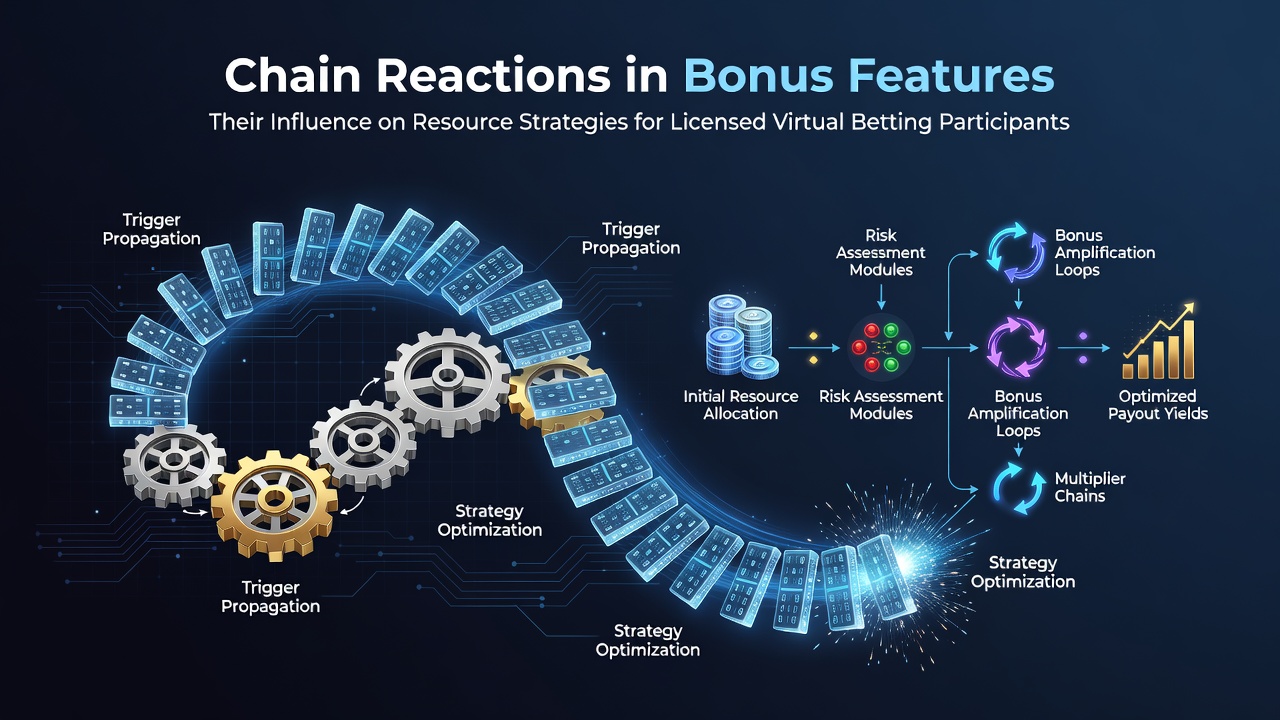
Chain reactions in bonus features operate through sequential triggers where one winning combination activates additional rounds or multipliers, which in turn generate further outcomes within the same spin cycle. These mechanics appear in many licensed virtual betting platforms and alter the way participants distribute their bankrolls across sessions. Data from industry reports indicate that such systems extend play duration while requiring adjusted stake sizing to accommodate potential extended sequences.
Mechanics Behind Sequential Bonus Triggers
Virtual slot titles incorporate avalanche or cascading reel systems that remove winning symbols and allow new ones to drop into place, creating opportunities for repeated evaluations without additional wagers. Observers note that these processes often pair with increasing multipliers that scale with each successive reaction. Research from the American Gaming Association shows that titles featuring five or more consecutive reactions account for measurable portions of total session volume on regulated platforms. Participants therefore plan initial bet amounts with the expectation that early small stakes can unlock larger effective returns through the multiplier ladder.
Resource strategies shift when players account for the probability of extended chains rather than isolated wins. Those who study payout tables learn to identify games where base symbols feed into higher-tier bonus activations. This knowledge leads to deliberate pacing of deposits, with many spreading funds across multiple shorter sessions instead of committing larger sums at once. Figures from university-led gambling studies reveal correlations between chain length frequency and player retention metrics across North American and European markets.
Impact on Bankroll Distribution Patterns
Licensed virtual betting environments display transparent rules on how reactions contribute to overall returns, yet the variability of chain outcomes still influences decision-making. Players often reserve portions of their available funds for rounds that have already produced two or three consecutive triggers, anticipating that further reactions may apply elevated multipliers. This conditional allocation differs from flat betting approaches used in non-cascading titles. Reports compiled by the Australian Gambling Research Centre document similar adjustments among participants who track reaction statistics over hundreds of spins.
Seasonal updates scheduled for November 2026 in certain jurisdictions introduce new disclosure requirements for multiplier progression rates. These changes encourage clearer presentation of expected chain frequencies, allowing participants to refine their resource plans with more precise data. Industry analysts observe that such transparency supports steadier engagement because players can calibrate session lengths to match documented trigger patterns rather than relying on anecdotal experience.
Strategic Adjustments Across Game Types
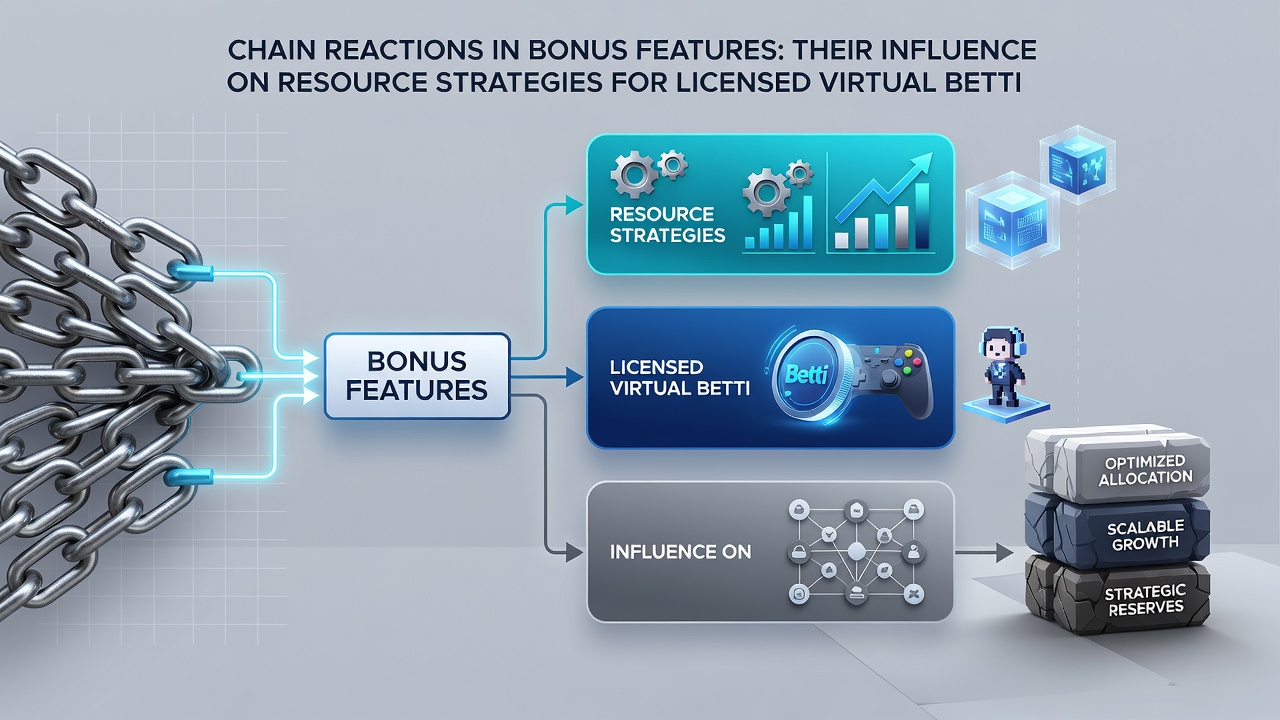
Progressive jackpot slots that embed chain reactions combine base game cascades with accumulating prize pools. Bettors who target these titles typically divide bankrolls into segments designated for standard play and segments held for confirmed reaction sequences. The approach reduces exposure during dry spells while positioning capital to capitalize on extended multiplier runs. Data collected by academic research groups in Canada indicate that structured segmentation correlates with longer overall participation periods on licensed sites.
Live dealer variants occasionally integrate bonus chain elements through side bets that trigger additional card draws or multiplier wheels. Participants adjust their table stakes accordingly, reserving higher wagers for moments when prior reactions have already elevated the multiplier state. This layered decision process demonstrates how the presence of sequential features extends beyond slot mechanics into hybrid game formats.
Regulatory Context and Player Tools
Regulators outside the United Kingdom continue to examine how chain reaction disclosures affect informed play. The Nevada Gaming Control Board, for instance, has reviewed reporting standards that require operators to publish average reaction lengths per title. Such measures provide participants with concrete metrics they can incorporate into resource planning. External analyses from the European Gaming and Betting Association further highlight that standardized data formats help reduce variability in how different platforms present the same underlying mechanics.
Software providers have responded by embedding session trackers that log chain events in real time. These tools allow users to review historical reaction distributions and adjust future allocations without leaving the platform interface. The integration of such features aligns with broader trends toward data-supported play observed across multiple regulated markets.
Conclusion
Chain reactions within bonus features continue to shape how participants in licensed virtual betting environments manage available resources. By documenting reaction frequencies, adjusting stake segmentation, and utilizing platform tools, players align their strategies with the statistical realities of sequential mechanics. Ongoing regulatory developments scheduled through late 2026 are expected to expand access to comparable data across additional jurisdictions, supporting more consistent approaches to bankroll distribution over time.